Category Archives: News

Do I Need a Building Permit for My Home Improvement Project?

Why are building permits required for home improvements? When are they needed? How can property owners best navigate the quirks of the permitting process?

Building permits often rank right down there with doing your taxes, or going to the dentist. They are also just as important.

It is essential for homeowners to understand the need for permits, when they are needed, and the penalties of trying to make changes to a property without approval. Here’s what you need to know…

Why You Need to Get a Building Permit for Home Addition, Remodeling, or a Major Improvement Project:

“Earthquakes don’t kill people, buildings do.” – FEMA

The Federal Emergency Management Agency (FEMA) opens its introduction to building codes with the above quote.

While there are many different causes of real estate related injuries; codes are designed to keep people safe.

Some may argue that they help generate local government revenues, and protect the most entrenched home and commercial real estate builders. This system also makes it simpler for mortgage lenders to evaluate collateral and make loans.

The earliest record of building codes is the Mesopotamian Code of Hammurabi, which dates back to 1754 BC. Back then it was much simpler.

Instead of needing permits to hold them accountable, builders were held to compensating home buyers for any damages caused by faulty work. If someone was killed due to bad construction the builder or their mirroring family members would be put to death. Talk about motivation to deliver high quality work!

Other major historical moments on the building code timeline include the Rebuilding of London Act, after to homes of 70,000 out of 80,000 residents were lost in the great Fire of London. The City of Baltimore recorded its first code back in 1859.

Today most municipalities in the US appear to have adopted building code models. These are increasingly based on models created by the International Code Council (ICC), but are often customized at a state, county, and city level.

Building permits give contractors and property owners permission to conduct work, and aim to maintain uniform codes of aesthetics and safety.

How Do I Get a Building Permit?

The process of obtaining building permits by contractors and property owners may vary slightly depending on location, and governing authorities. There may be state, regional, county, and city codes and building departments involved.

In general the process will include:

  1. Obtaining a building permit application online
  2. Submitting your request with proof of ownership, and plans
  3. Paying the applicable upfront fee
  4. Waiting for building department approval
  5. Final inspections or Certificate of Occupancy

Site plans and project plans may need to include elevations, locations of electrical panels and outlets, locations of plumbing fixtures, details of materials and fasteners, and energy calculations.

Did you know? Most homeowners spend between $250 and $1,400 to obtain a building permit. The average is $800. Note: there may also be impact fees due depending on the type of work being done.

Understandably most homeowners are completely lost when it comes to obtaining building permits for remodeling or major home improvement or addition projects. It just sounds complicated and time consuming. It can be, but often isn’t as difficult as it appears.

3 ways to make it easier:

Most contractors and service providers will offer to handle the building permit application for you. They want to make it easy and stress free to use their services.

Check their websites when shopping around for your new pool, sunroom, or shed, and many advertise this extra perk. If in doubt call and ask.

Permit Services

Permit expediting services such as US Permit offer third party help to navigate and streamline the process of securing permits. They’ll work with you to collect the information that needs to be submitted, and deal with the authorities for you.

Online Site Plans and Conceptual Drawings

Did you know? When applying for a building permit you can often save time and money by providing a site plan with your application? Nine times out of ten, your city hall or township will accept an uncertified site plan, which means that you don’t need to hire a professional surveyor.

We offer remote plan drafting services to expedite the process for home owners. We can turn around site plans in 24 hours, for around as cheap as $100, versus waiting on professional surveyors which may charge as much as $1,000 or more.

When Do I Need a Building Permit?

The four main occasions when a building permit is required are:

  1. New construction
  2. Home additions
  3. Major renovations
  4. Structural changes
  5. Electrical, plumbing, and mechanical work

Essentially if the work entails anything to do with safety, or changing the look or layout of the property you can count on needing a permit.

If you are hiring contractors and vendors they should know if you need a permit, and should be willing to help obtain it for you. Just make sure they do. If in doubt it is always better to contact the local building department and ask.

Common projects requiring a permit may include:

  • Installing new roofing
  • New electrical panels
  • Adding or moving electrical and plumbing fixtures
  • Blocking off or adding windows and doors
  • Garage conversions
  • Installing a swimming pool
  • Finishing an attic or basement

When Don’t I Need a Building Permit?

Fortunately there may be quite a few home remodeling projects which are exempt from permits.

This may include:

  • Traditional tribal architecture
  • Installing portable appliances
  • Resurfacing floors
  • Interior and exterior paint
  • Resurfacing driveways
  • Decorative pools and ponds
  • Children’s playground equipment
  • Screening in existing covered patios
  • Walkways and concrete pads
  • Covered awnings
  • Replacing air conditioning units
  • Basic alarm and communications systems
  • Replacing common fixtures

There can be exceptions to all the above, and rules depend on where your property is located. It is always safest to ask.

Awkward Permitting Quirks to Watch Out for

Code enforcement and building departments are rarely fun to engage with. Sometimes it is far easier to get a permit than expected. Then there are those times that homeowners and these powers butt heads.

One of the outcomes of work that requires building permits can be increased tax assessed values. That can mean higher property taxes. This especially applies to additions and increasing square footage and bedroom counts.

Then there can be quirks to presumed permitting exemptions. For example; Miami-Dade County, Florida offers an extensive list of home improvements which do not require permits, unless they exceed $1,000 or $5,000 thresholds. If you are renovating the average Miami Beach condo you aren’t going to get much done for less than $5,000.

Somethings which owners wouldn’t expect require permits too such as sheds and alternative structures like shipping container architecture.

Trees are another major stressor. Imagine a hurricane comes through, blows down a tree on your property and the city hauls it away. You think nothing of it; after all it was nature and the city doing their jobs; you had nothing to do with it. Then you get hit with a code violation and fine because you didn’t get a permit to remove the tree. Now the city expects you to obtain a permit to remove the old tree, and to get plans and a permit to replace the tree with a new one! It happens.

Permitting departments are not always the fastest. It can often take 30 to 60 days to get permit approval. This can get far worse if there has been a major storm or there is a major building boom.

Real estate investors need to take this into account when renovating and flipping houses. Putting in a swimming pool may add value, but waiting two months for a permit can add to holding costs too.

Note that building codes are constantly changing too. This is specifically true when it comes to standards for wind and flood mitigation. If a current structure has been damaged it may need to be built to new codes.

The Dangers of Forgoing Building Permits

The perceived hassle and expense of getting a building permit tempts many homeowners and amateur contractors to try to get away without them. They often do get away with it, at least temporarily.

When it comes to permits RE/MAX Executive Realty in Massachusetts says “it’s vital,” and warns that failing to obtain them can “stop a home sale.” It’s true.

Sellers are required to disclose any work done that should have required a permit. That can be checked against public record.

Work done without a permit can, and should scare home buyers. Mortgage lenders normally won’t loan on these properties either. Title companies often won’t facilitate a sale or insure properties with these issues.

The current owner is always at fault in terms of permits and the building department. So if you buy a home with issues you’ll be on the hook to fix it.

That means getting a permit for work that was done illegally, or incurring hefty fines. These fines can accrue at a rate of $1,000 a day.

Neglect the issue for just 1 year and you’ll have a lien for more than $365,000 against your property. That will have to be paid before you can sell the property.

Buyers and owners that find themselves in this situation are best off tackling it early and head on. As a new and unsuspecting owner working with local code enforcement may buy you 7 to 30 days to fix the situation. In other cases a good real estate attorney may be able to negotiate down the sum you owe.

Summary

Building permits are serious. Never skimp on a permit. If you aren’t sure if you need one always ask. Fortunately, most homeowners won’t have to deal with getting permits for themselves.

There are third party professionals that will handle it for them. And in most cases it is a relatively easy process to navigate. Just be sure you aren’t doing illegal work, and don’t buy properties unless they are inspected and have permits for all changes made.

Note: Here’s how we can help: has team of highly-trained, professional architects and drafters who can prepare any kind of site plan in the shortest amount of time possible, so that you can easily get obtain that building permit and get on with your project. Use the promotion code: 24hplans-20off to get a 20% discount off any package. — Please note this is a limited time offer, exclusive to the readers of our blog. This offer is not being advertised anywhere else.

Tips for Managing Your Home Improvement Project

What’s your biggest fear about home improvement?

For many people, it’s unknowns that prevent them from taking action or losing sleep once they do. Feeling like you’re working in the dark can slow decision-making.

And, when you boil it down, home improvement projects are nothing more than a series of tiny and massive decisions. You wouldn’t be alone if that thought leaves you anxious.

But it doesn’t have to be that way. With these tips for managing your home improvement project, you can reduce uncertainty, gain confidence, and, in many cases, save money.

So, let’s get to it!

Basic Tools

The biggest mistake you can make when managing your home improvement project is keeping everything in your head.

Even relatively small projects like upgrading plumbing fixtures or replacing flooring can be complex. And large projects like remodeling attics and finishing basements? They can involve hundreds of decisions.

The less you have to remember, the easier it is to make sound decisions and foresee issues. You need to think about details but don’t only store them in your head. Stress is a natural part of home improvement but it doesn’t have to overwhelm you.

At the planning stage of your project get:

  • Paper notebook or binder with loose leaf pages
  • Pen and/or pencil
  • Pocket folder or expandable file holder
  • Calculator
  • Camera
  • Tape measurpreadsheet (optional)

Briefly, here’s how each item helps:

With a paper notebook, technology doesn’t limit the way you can put notes on a page. It’s easy to mix words with doodles, which can be great when trying to communicate an idea to tradespeople. Plus, there’s evidence that writing by hand improves memory and gives you greater perspective when re-reading.

Of course, paper calls for a pen and/or pencil. Consider using different colors to highlight priorities and improve readability later on.

A pocket folder or expandable file holder is essential for keeping swatches, paint chips, product brochures, business cards, clippings of design ideas, etc. in one place.

Thanks to smartphones, most of us have a calculator and camera with us at all times so that’s an easy item to check off the list.

Measure twice, cut once is an adage that never goes out of style. Always have a tape measure at hand, even if others are doing the work. It allows you quickly “test” spatial ideas and settle disputes about placement or fit.

No need to be an Excel guru to include a spreadsheet in your management toolbox. Windows users can find a variety of reliable timeline templates here and budget templates here.)

Time

Faster isn’t always better. Yet, time is a non-renewable resource so we have to use it wisely.

When managing your home improvement project, be realistic about time. Set deadlines that are achievable even if they’re aggressive.

If a deadline involves anyone else, share it with them before setting wheels in motion. (This includes family members who have to live around an improvement project.) Listen and address concerns. Make that a habit and everyone’s time will be used in the most effective way.

If you’re paying trades by the hour, monitor their time. Check the status of work at set milestones. For example, when 50% of the budget is spent and again at 75%.

This time management habit gives you data to foster discussions with trades. It’s also an objective way to identify risks to scope or budget. As a result, decisions to modify scope or budget become less difficult.

Scope

Scope is the project management term for “what you’re agreeing will be done”. The more specific the scope, the better. Even for DIY home improvement projects.

If getting into details makes you want to run in the other direction, try this method for defining scope.

On a sheet of paper, write down everything you want the project to achieve. Let’s say you’re redoing a master bathroom. Your list might include:

  • Natural light
  • Warm floors
  • Enough storage for all your towels
  • Easy to clean
  • Feel luxurious

The goal is to create a picture of the finished project without specific details like materials and decor. That comes later.

On another piece of paper, draw a line down the middle. Label one column “Necessary” and the other “Options”. If you’re using a designer, contractor, or project manager, they must be at the table for this step.

Refer to the first sheet of paper. In the “Necessary” column, list everything required to achieve your vision. For example, to get natural light in your bathroom you need an opening to the outside. Under “Options” you would write window, skylight, and sky tunnel.

Do this exercise for each point in your vision.

When done, read through the options and circle the ones that make sense in context of the whole list. It’s okay if you circle more than one option per necessity.

Those circled options become the basis for getting specific about cost, availability, and complexity. One option at a time. For DIYers, this makes getting a handle on total cost and timeline (based on materials and labor availability) less overwhelming. For contractors and project managers, the list saves time and eliminates guesswork. Quotes are more accurate.

Budget

Money is often the biggest concern when managing home improvement projects.

To prevent high stress, set your budget in one of two ways:

  1. Assess your savings and how much debt (if any) you can handle to determine how much you can spend. That’s your number. Write it down and keep it front and center as you work on a DIY project. If you have a contractor, tell them the amount that’s 90% of your number. Cushions are good to have.
  2. Determine the cost of your ideal outcome. If it’s beyond your means, start paring down scope, which includes materials chosen. Repeat until you reach a dollar figure that will you allow to sleep at night.

For most people, the second way works better in the long run. When you see the price tag of the ideal, you’re better at finding acceptable compromises as are less likely to succumb to scope creep.

Decisions and Managing Your Home Improvement Project

As we said off the top, managing your home improvement project is really about making decisions. Good decisions. Decisions that help you achieve your goal.

But what if you’re not great at making decisions? Or you’re tired of making decisions?

Do these things to reduce stress and keep the project moving in the right direction:

  • If stuck, weigh the value of a particular decisions against the value of the entire project. Some decisions aren’t worth stressing over.
  • Know the difference between good enough and poor quality. Only take corrective action to protect against poor quality unless you have unlimited time and money.
  • Trust your gut. Too much analysis can cause paralysis.
  • Delegate. Let trusted parties make decisions about things outside your interests or knowledge.
  • Limit information. There is such a thing as too much research.

Finally, remember most decisions aren’t critical. They only feel that way. But with practice, you’ll figure out what worth sweating over.

And, if new flooring is part of your home improvement project, our expert team can help you discover the benefits of bamboo and eucalyptus flooring. Contact us today!

The post Tips for Managing Your Home Improvement Project appeared first on The Greener Living Blog.

Source

https://www.ambientbp.com/blog/managing-your-home-improvement-project

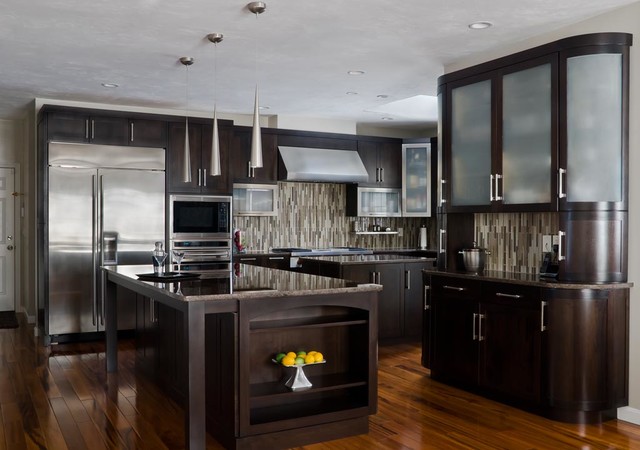
Stylish Contemporary Kitchen Cabinets Coolest Kitchen Renovation Ideas with Contemporary Kitchen Cabinets Kitchen Ideas – Interior Design

Contemporary Kitchen Cabinets

Stylish Contemporary Kitchen Cabinets Coolest Kitchen Renovation Ideas with Contemporary Kitchen Cabinets Kitchen Ideas is one of the pictures that are related to the picture before in the collection gallery, uploaded by the author on February, 16 2017. The exactly dimension of Stylish Contemporary Kitchen Cabinets Coolest Kitchen Renovation Ideas with Contemporary Kitchen Cabinets Kitchen Ideas was 640×450 pixels. You can also look for some pictures that related to Kitchen Cabinet by scroll down to collection on below this picture. If you want to find the other picture or article about Contemporary Kitchen Cabinets just push the gallery or if you are interested in similar Gallery of Stylish Contemporary Kitchen Cabinets Coolest Kitchen Renovation Ideas with Contemporary Kitchen Cabinets Kitchen Ideas, you are free to browse through search feature that located on top this page or random post section at below of this post. We hope it can help you to get information of this picture. Finally, thank you for visiting this Home Design Website, and we welcome you to come as many as you like in here.

Pictures Gallery of Stylish Contemporary Kitchen Cabinets Coolest Kitchen Renovation Ideas with Contemporary Kitchen Cabinets Kitchen Ideas

Thank you for visiting, If you found any images copyrighted to yours, please contact us and we will remove it. We don’t intend to display any copyright protected images. We hope you can find what you need here. We always effort to show a picture with HD resolution or at least with perfect images. Stylish Contemporary Kitchen Cabinets Coolest Kitchen Renovation Ideas with Contemporary Kitchen Cabinets Kitchen Ideas can be beneficial inspiration for those who seek an image according specific categories. Finally, all pictures we have been displayed on this site will inspire you all..

Source

http://www.homegrowndecor.com/contemporary-kitchen-cabinets-9751/stylish-contemporary-kitchen-cabinets-coolest-kitchen-renovation-ideas-with-contemporary-kitchen-cabinets-kitchen-ideas/

home improvement projects you should never diy

Today we have a guest host, Erin Reynolds the DIY Mama. Enjoy.

One of the most exciting aspects of owning your own home is personalizing it. As tedious as home improvement projects can be, they are often necessary. When done properly, they can increase your home’s value, make it a safer and healthier place to live, and add a personal touch. If you use Pinterest or watch HGTV, you may feel inspired and confident enough to try some do-it-yourself (DIY) home improvement projects. More and more people are completing their own DIY projects professional contractors.

However, what you see on television and the internet isn’t always an accurate portrayal of what it’s actually like to complete a project yourself. There are definitely some projects that are better left to the professionals. Some home improvement projects can be dangerous, time-consuming, difficult, or costly to complete without help from an expert. In a worst-case scenario, you could injure yourself, damage your property, or reduce your home’s resale value.

Here are some home improvement projects that require the help of a professional. Don’t try these at home!

Roof and Shingle Repair

You should always hire a professional contractor or reputable local business to handle your roof and shingle repair for you. Roof repairs can be dangerous. One wrong move or a strong enough gust of wind, and repairing your roof could potentially turn deadly.

When it comes to keeping yourself safe and your roof properly secured from the elements, the cost of hiring a professional is a small price to pay. The average price to repair an asphalt shingle roof in Chicago is $255 – $766 according to HomeAdvisor.

If you’ve been considering replacing the shingles or patching the roof yourself, you should also contact your insurance company. Even if your insurance covers roofing, most companies will only cover the costs if you use a qualified contractor for the repairs.

You should always hire a professional contractor or reputable local business to handle your roof and shingle repair for you. Roof repairs can be dangerous. One wrong move or a strong enough gust of wind, and repairing your roof could potentially turn deadly.

When it comes to keeping yourself safe and your roof properly secured from the elements, the cost of hiring a professional is a small price to pay. The average price to repair an asphalt shingle roof in Chicago is $255 – $766 according to HomeAdvisor.

If you’ve been considering replacing the shingles or patching the roof yourself, you should also contact your insurance company. Even if your insurance covers roofing, most companies will only cover the costs if you use a qualified contractor for the repairs. Just to be safe, it’s best to discuss any repairs with your insurance company before moving forward.

Air Duct Cleaning

Over time, your home’s air ducts become filled with allergens, dust, mold, pet dander, and even cigarette smoke (if anyone smokes in your home). To maintain proper air quality throughout your home, you should have the air ducts cleaned every few years. Although it might be tempting to clean your own air ducts, this is a job best left to the pros. You might start by asking local friends, family, and coworkers if they have any recommendations for reputable contractors. Otherwise, the EPA recommends contacting the National Air Duct Cleaners Association (NADCA) for more information.

Projects Requiring Permits

Many projects, such as fence installation, require prior approval from your local government. You’ll need to get a permit and check with your city about any restrictions, such as height requirements for fences. Luckily, your local contractors are already familiar with these types of regulations and should be able to secure the proper permits. This saves you the headache, and hopefully prevents you from any unexpected surprises that would require you to otherwise make changes during or after installation.

Whether you’re looking to save money, are confident in your home-repair abilities, or are just a crafty person who enjoys trying something new, there are many reasons to participate in a DIY home improvement project. However, before starting your next project, it’s important to do your research up front. Weigh your options, crunch the numbers, and assess any risks involved. Sometimes, it is worth the money to just hire a professional so you can get the job done right the first time.

Author

Erin Reynolds is the creator of DIYMama.net, which provides resources to help others with home improvement projects and repairs. Keep an eye out for the DIY or Not Calculator, which will help you determine whether or not to take on a project yourself!

Filed under: Uncategorized

Source

http://www.chicagonow.com/organizing-with-erin/2018/02/home-improvement-projects-you-should-never-diy/

Interesting Modern Kitchen Furniture Sets Awesome Kitchen Renovation Ideas with Simple Blog Kitchen Design Ideas – Interior Design

Modern Kitchen Furniture Sets

Interesting Modern Kitchen Furniture Sets Awesome Kitchen Renovation Ideas with Simple Blog Kitchen Design Ideas is one of the pictures that are related to the picture before in the collection gallery, uploaded by the author on December, 5 2016. The exactly dimension of Interesting Modern Kitchen Furniture Sets Awesome Kitchen Renovation Ideas with Simple Blog Kitchen Design Ideas was 800×600 pixels. You can also look for some pictures that related to Kitchen Ideas by scroll down to collection on below this picture. If you want to find the other picture or article about Modern Kitchen Furniture Sets just push the gallery or if you are interested in similar Gallery of Interesting Modern Kitchen Furniture Sets Awesome Kitchen Renovation Ideas with Simple Blog Kitchen Design Ideas, you are free to browse through search feature that located on top this page or random post section at below of this post. We hope it can help you to get information of this picture. Finally, thank you for visiting this Home Design Website, and we welcome you to come as many as you like in here.

Pictures Gallery of Interesting Modern Kitchen Furniture Sets Awesome Kitchen Renovation Ideas with Simple Blog Kitchen Design Ideas

Thank you for visiting, If you found any images copyrighted to yours, please contact us and we will remove it. We don’t intend to display any copyright protected images. We hope you can find what you need here. We always effort to show a picture with HD resolution or at least with perfect images. Interesting Modern Kitchen Furniture Sets Awesome Kitchen Renovation Ideas with Simple Blog Kitchen Design Ideas can be beneficial inspiration for those who seek an image according specific categories. Finally, all pictures we have been displayed on this site will inspire you all..

Source

http://www.homegrowndecor.com/modern-kitchen-furniture-sets-5871/interesting-modern-kitchen-furniture-sets-awesome-kitchen-renovation-ideas-with-simple-blog-kitchen-design-ideas/

6 Flooring Options to Consider For Your Next Kitchen Renovation

Often the center of the home, there’s no doubt the kitchen is a heavily trafficked area. Serving as a social center where family and friends can gather together, the flooring in this area should be durable, functional, and long-lasting in order to withstand the test of time. 

Below, we’ve narrowed down six of the best materials to consider when looking to renovate your kitchen floor.

Bamboo: Elegant and Practical

Understated and elegant, bamboo flooring is a great choice, as it is eco-friendly, durable, and aesthetically pleasing to the eye. 

Not only is it relatively affordable compared to hardwoods, but it is also low maintenance, as it doesn’t require any special care. Plus, bamboo is  springy underfoot, making it a more ergonomic choice than some harder options. However, it isn’t as moisture-resistant as other materials and can warp in high humidity, so make sure your home’s climate will welcome this material if you decide to go with this option.

Above is an example of bamboo floors in a contemporary-styled Seattle kitchen.

If you’re seeking an option that is eco-friendly and durable, bamboo flooring is a great choice.

Wood: Classic, Warm, and Long-Lasting

Hardwood floors are a classic choice. A top contender for flooring throughout the home, wood flooring offers a high-end, warm look. By adjusting the stain of the wood, you can also change up vibes instantly.  

Although hardwood floors can be pricey, the use of reclaimed wood can be a more cost-effective and eco-friendly choice. However, because wood in  kitchens require special protection from excess moisture, if you live in an area with high humidity, you may want to avoid wide planks, as they can warp over time. 

Above is an example of floors made of reclaimed eucalyptus.

This formerly dark basement kitchen now feels much lighter, thanks to the addition of white oak floorboards, bright plaster walls, and floor-to-ceiling windows that let in garden views.

A large kitchen island makes up for the lack of upper cabinet space and separates the kitchen from the living room. The cabinetry is custom made by Henrybuilt, hidding all appliances other than the copper BlueStar range.

Above, the architects used blackbutt wood for the flooring and Whisper White paint by Dulux throughout the interior. An A110 Hand Grenade Pendant Lamp by Alvar Aalto for Artek hangs above the white Carrara marble-topped island.

This space combines black cabinets, white subway tiles, marble countertops, and wooden floors to create a balance between rustic warmth and industrial simplicity.

Stone: Naturally Cool and Distinctive 

Durable and easy to clean, stone is an excellent flooring option with a great variety of choices. Marble, travertine, granite, and slate are popular options, which can add depth and a level of sophistication. Naturally cool, stone flooring is a good choice for hotter climates. Yet don’t let that deter you if you live in cooler temperatures, as installing sub-floor radiant heat will keep your floors warm in the winter. 

Just be sure to purchase more than you need and review all tiles before installing them so you can pick your pieces to maintain a single tone.

To transform a gaudy and green developer’s special, Nanelda Priftaj, an in-house designer at Bulthaup Toronto, stuck to a sophisticated palette of light woods and stainless-steel appliances. “We chose materials that elevate the aesthetic timelessness and comfort of the space,” she says. “Keeping this in mind, we chose several reflective surfaces to brighten the kitchen.” The floors are heated Mare Argento travertine and the rug is from AGATHOM Co.

In this kitchen, the architects contrasted the oak floor, bamboo cabinetry, and birch walls with what architect Jonathan Knowles calls “a family of grays,” meaning granite floor tiles, limestone countertops, and the steel stairway. 

Above is a kitchen from IKEA created with Brazilian slate floors.

Tile: Colorful and Playful

Another classic flooring solution is tile. Tiles can work for any budget and come in a variety of colors, shapes, and sizes, not to mention they are also easy to clean. 

Tiles are a wonderful way to add character to your kitchen floor. Two examples are ceramic and porcelain—both being made from clay mixtures fired at high temperatures to create a hard, durable material. However, one drawback to tile flooring is that the individual tiles can crack, and grouting does require periodic sealing and cleaning. 

Handcrafted green cement tile floors are used in the kitchen and in many living spaces in the home. Honed granite counters, Tzalam wood cabinets, and GE Profile appliances complete the airy space above.

Homeowners Cecilia Tham and Yoel Karaso renovated their home in Barcelona, harmoniously overlapping elements of the old and the new. 

Above is an example of graphic tiles covering the floor, walls, and ceiling. 

Concrete: Chic and Minimalist 

Polished concrete flooring is an easy way to obtain a stylish contemporary look and can make a great choice for a low-maintenance kitchen floor. Durable enough to stand up to the busiest kitchens and easy to clean, concrete is a lovely choice for warm climates. However, concrete can be hard on your body if you will be standing for prolonged periods of time. 

Don originally wanted to have wood floors throughout the interior but for cost reasons he decided to use lightweight concrete instead.  “In order to make it as resilient to cracks as possible, the concrete is extra thick and has fiberglass and wire mesh reinforcing,” he says. “It was polished and machine-troweled as it was being finished, the same as the lower-level concrete slab, so we could get a similar look throughout.”

The cabinets above are from Ikea, the range is by GE, and the Jenn-Air refrigerator is tucked unobtrusively into the pantry wall. The troweled concrete floor was poured in place by builder Peter Knudsen.

Concrete floors are not only affordable, but also versatile and trendy. The appliances above are by Frigidaire and the black countertops are sealed with Eco Tuff by Eco Procote.

Cork:  Eco-Friendly and Cost-Efficient 

Eco-friendly and a natural insulator, cork is another great flooring choice. It is also naturally anti-microbial, and if you’re on a budget, cork tiles are easy to install yourself. However, make sure the cork you choose has a durable finish so that it can repel water. If you are purchasing cork tiles, it is advisable to buy extra in case you need replacements in the future. 

If you’re looking to keep costs low, cork is extremely budget-friendly. Above is an example of how inexpensive plywood line the ceiling and cork covers the floors. 

Cork can also be affixed to one another, rather than nailed into the floorboards, as shown above. This allows the tiles to expand and contract with heat, making it ideal for radiant surfaces. 

A wood countertop with blue laminate cabinets underneath contrasts with a white island topped with travertine. The wall tile is Origin Birch White by AKDO, and the brass faucet is by California Faucets. As in the rest of the apartment, the flooring is colored cork from Globus Cork.
Photo by Mike Schwartz

The room above features flooring with Teragren bamboo, cork in the kitchen, and porcelain tiles at the entry points. American Yellow Birch was used for the cabinets and trim.

Source

https://www.dwell.com/article/6344613785688064000